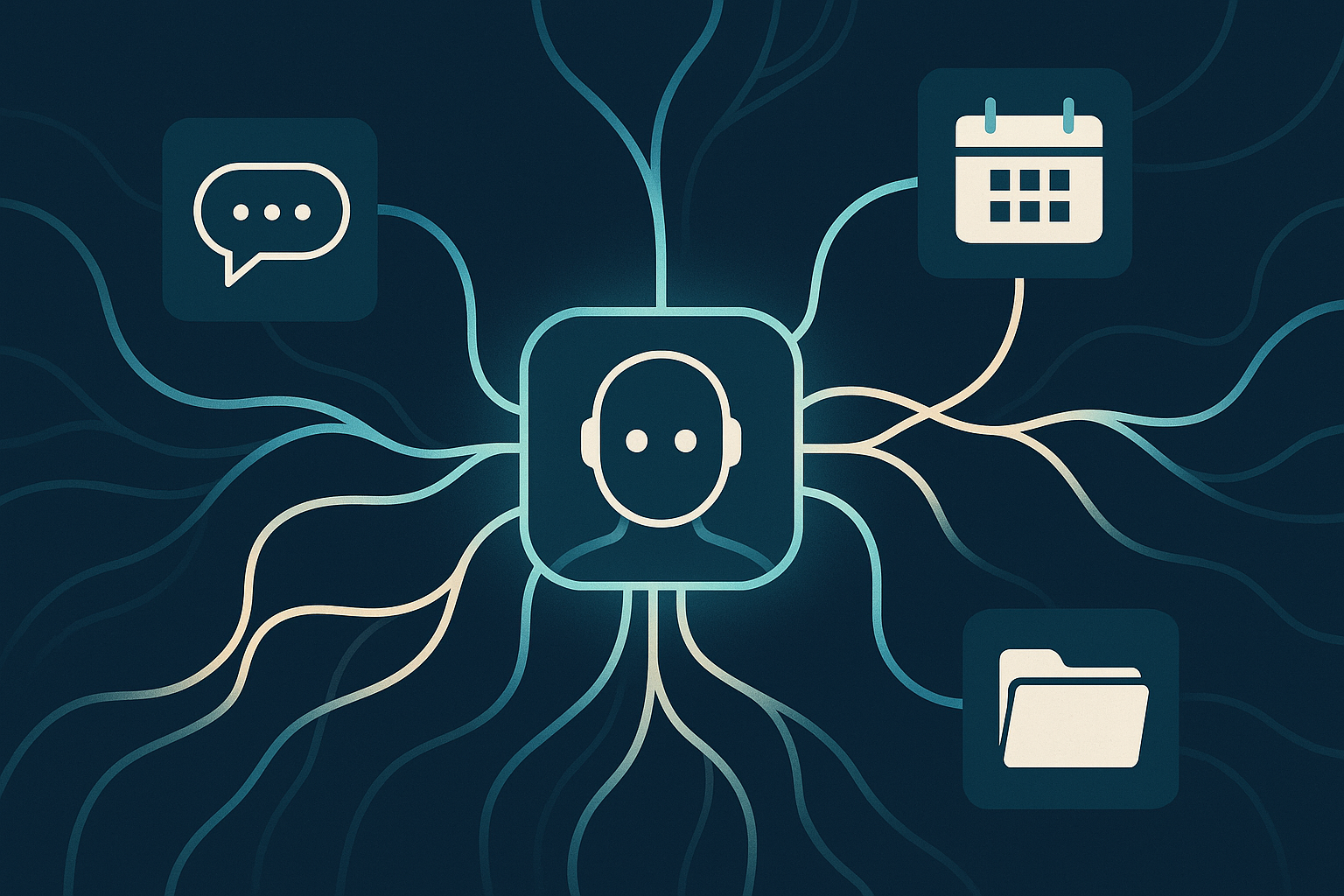
The artificial intelligence landscape has shifted from chat interfaces to systems that execute actual work. For business owners exploring automation in 2026, the question is no longer whether to use AI, but which framework to deploy. At the center of this conversation is a fundamental choice between managed sandbox environments and open-source local agents. Understanding what is OpenClaw and how it compares to tools like Claude Cowork is the first step in building a modern AI strategy.
What Is OpenClaw: The Open-Source Approach to Automation
OpenClaw is a free, open-source AI agent framework designed to run locally on a dedicated machine. Unlike traditional chatbots that stop at generating text, this system acts as a bridge between large language models and actual computer environments. It connects directly to local file systems, web browsers, and messaging applications like WhatsApp, Slack, and Telegram. Because it utilizes a local-first architecture, the core data stays on the machine while leveraging the cognitive power of advanced AI models via APIs.
The primary advantage of this framework is its ability to operate autonomously around the clock. It uses cron jobs for scheduled tasks, meaning it can run workflows while the user is asleep. For example, it can go through daily CRM updates, look up prospects on LinkedIn, and draft personalized emails before the workday begins. In addition, it employs "heartbeats" to periodically wake up, review conversational context, and decide if anything requires immediate attention. This level of continuous, background operation makes it highly effective for complex, multi-step business operations.
Comparing the Alternatives: Claude Cowork
While open-source frameworks offer immense autonomy, managed solutions like Anthropic's Claude Cowork provide a different value proposition. Claude Cowork operates as a desktop assistant tailored specifically for knowledge workers. It operates directly on local file systems to organize documents, crunch data, and create presentations within a secure, sandboxed environment. Priced around $20 per month, it focuses heavily on professional deliverables and data security rather than multi-channel messaging automation.
Because Claude Cowork can read, edit, and delete files, it is designed with strict access boundaries. This makes it an excellent choice for a team needing to structure messy research folders, summarize confidential documents for strategy meetings, or handle internal reporting. However, it lacks the capability to run proactive background tasks indefinitely without user initiation. It is built to assist an active worker, rather than act as a standalone digital employee.
Integrating Agents with Existing Tools
Neither framework operates in a vacuum, and both become exponentially more powerful when paired with existing business software. Companies frequently connect these agents to automation platforms like Zapier or Make to trigger secondary workflows. A common deployment involves using an agent to extract insights from a client meeting, then automatically routing those notes into Notion or Airtable to update a structured database.
For communication, agents integrate seamlessly with Google Workspace for calendar management and email routing. Interactive integrations, such as Claude's extensions for Slack and Microsoft Teams, allow staff to route commands within collaborative streams. By weaving these tools into the software stack a business already uses, owners avoid the friction of learning entirely new platforms.
Choosing the Right Agent for the Job
Determining the best fit depends entirely on a company's operational needs and technical capabilities. Open-source agents are ideal for high-volume, continuous background tasks where cloud API costs would otherwise skyrocket. They excel at multi-site browser automation, proactive inbox management, and cross-platform scheduling. However, they require careful configuration and a dedicated machine to ensure security and stability.
Conversely, for teams focused on secure document processing and rapid data synthesis, managed desktop assistants are typically safer and faster to deploy. Both paths offer incredible efficiency gains over traditional manual labor.
The businesses adopting agents now will have a significant head start. Get in touch to talk through your options.
Sources:
- VentureBeat, "Anthropic says Claude Code transformed programming. Now Claude Cowork is..." — Feb 25, 2026
- Fortune, "Microsoft debuts Copilot Cowork built with Anthropic's help" — Mar 9, 2026
- GeekWire, "Microsoft's new Copilot Cowork integrates Anthropic's Claude" — Mar 9, 2026
- Ars Technica, "Claude Code can now take over your computer to complete tasks" — Mar 24, 2026